Child life insurance that grows with them Whole life insurance for children that can help provide a lifetime of protection — and can build cash value over time, as long as premiums are paid.
Child life insurance that grows with them Whole life insurance for children that can help provide a lifetime of protection — and can build cash value over time, as long as premiums are paid.

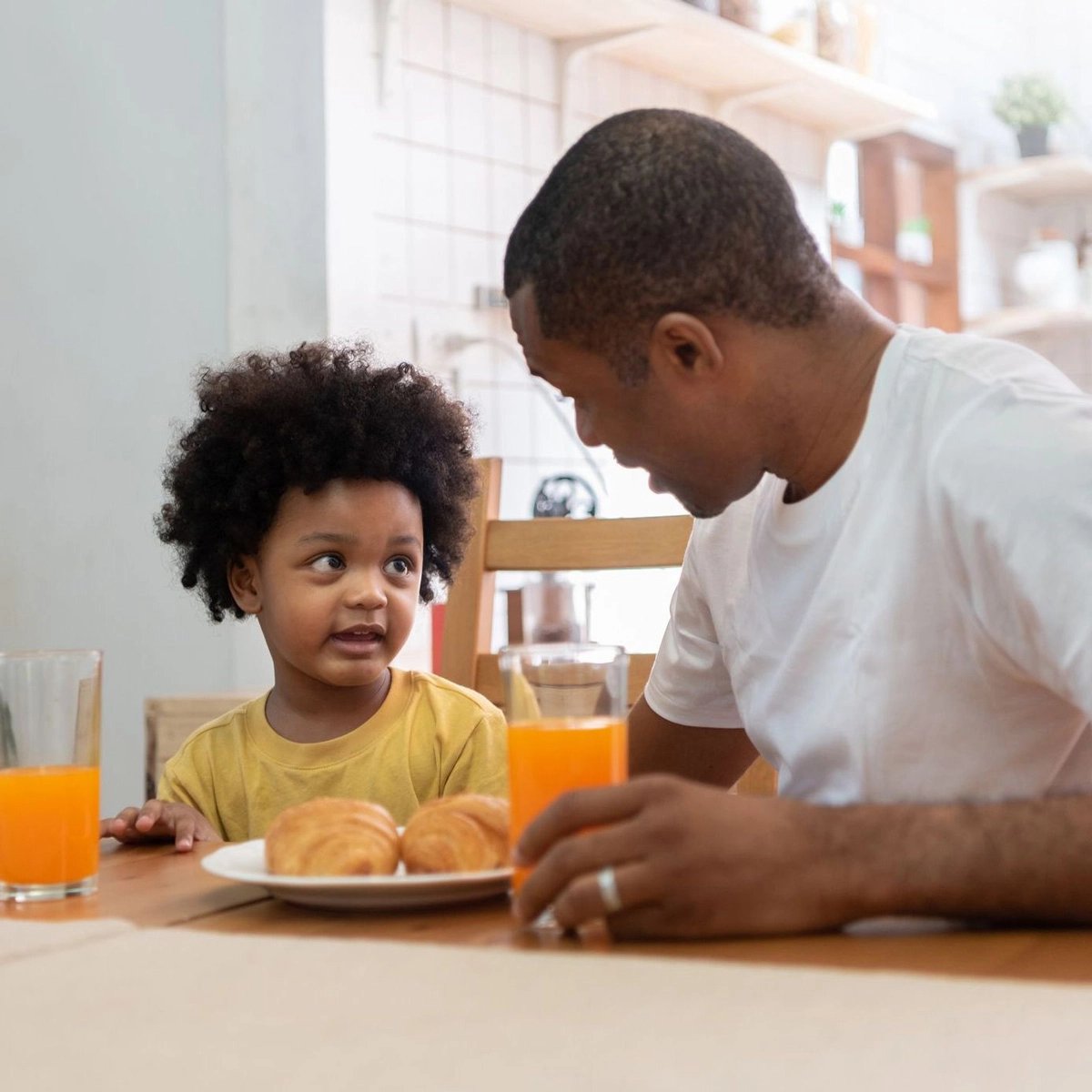
Every parent has experienced it.
You remind your child to say “please.” Then you remind them again. And maybe one more time for good measure.
Teaching manners can sometimes feel repetitive, but it’s important to remember that children aren’t born knowing how to navigate social situations. Like sharing, problem-solving, and building friendships, respectful behavior is something children learn over time through guidance, practice, and everyday experiences.
The good news? Every conversation, reminder, and teachable moment helps.
Rather than thinking of manners as a list of rules, consider them life skills that help children build stronger relationships, show respect for others, and move through the world with confidence.
Here are a few ways to help children develop those skills at every stage of childhood.
Toddlers are just beginning to communicate and understand social interactions.
At this age, simple words and phrases can help lay the foundation for future social skills:
Don’t worry about perfection. The goal is exposure and practice.
Children learn best through play. Host a pretend tea party with stuffed animals, dolls, or family members and practice using polite words during conversations.
Look for everyday opportunities to reinforce these phrases as they naturally occur throughout the day.
The more children hear and use respectful language, the more natural it becomes.
As children begin interacting with classmates, friends, and teachers, they start learning how their actions affect others.
This is an ideal time to focus on:
These skills help children build friendships and develop empathy.
Role-play common situations your child may encounter with friends.
For example:
These small moments can help children feel more prepared and confident in social settings.
Help your child practice looking at the person who is speaking, waiting their turn to talk, and saying “excuse me” rather than interrupting.
These habits can support stronger communication both at home and in the classroom.
By this age, children are developing a stronger understanding of how their actions affect others.
This is a wonderful opportunity to help them practice gratitude, kindness, and empathy.
When your child receives a gift or receives help from someone, encourage them to write a thank-you note.
Beyond expressing appreciation, this activity helps children reflect on the kindness they’ve received and strengthens communication skills.
Whether your child participates in sports, board games, card games, or other activities, learning how to handle both success and disappointment is an important life skill.
Celebrate effort, teamwork, and perseverance—not just outcomes.
Children who learn to win and lose gracefully often develop resilience that serves them well throughout life.
As children gain more independence, they’ll spend more time with friends, teammates, teachers, and other trusted adults.
This stage offers opportunities to teach respect for different people, environments, and expectations.
Talk about how every family has different household rules and expectations.
Help your child understand the importance of:
At the same time, remind your child that if they ever feel uncomfortable or unsafe, they should contact you immediately.
Respect and safety always go hand in hand.
Teenage years often bring greater independence, responsibility, and social awareness.
While teenagers are developing their own perspectives and opinions, respectful communication remains an important skill.
One of the best ways to encourage respect is to model it.
Listen to your teen’s thoughts and ideas. Show them the same consideration and courtesy you hope they’ll show to others.
Encourage habits that demonstrate respect for other people’s time and commitments, such as:
Technology is a big part of today’s world, but face-to-face connection remains important. Creating opportunities for meaningful conversations can help strengthen relationships and communication skills.
Learning manners is a process, not a one-time lesson.
Children will forget. They’ll need reminders. They’ll make mistakes.
That’s all part of learning.
What matters most is creating a home environment where kindness, respect, gratitude, and empathy are modeled consistently and practiced regularly.
Over time, those small lessons can become lifelong habits.
Because good manners aren’t simply about following rules. They’re about helping children build confidence, create meaningful relationships, and navigate life’s many moments with care and consideration.
Children can begin learning simple polite words and respectful behaviors as early as age one. Early exposure helps build a strong foundation as social skills continue developing over time.
Forgetting is a normal part of learning. Gentle reminders, consistent modeling, and positive reinforcement can help children gradually build new habits.
Kindness and respect are often the foundation for many other social skills. When children learn to consider how their actions affect others, many good manners naturally follow.
Children learn by watching. Saying “please,” “thank you,” listening attentively, showing respect, and demonstrating empathy in everyday interactions can help reinforce the behaviors you’d like your child to develop.
Take the guesswork out of important decisions with easy-to-understand content that helps you plan with purpose.
Explore all articlesThank you for signing up for the Gerber Life Newsletter.
Check your inbox for our monthly newsletter filled with news, tips, and product information.
Copyright ©2026 Western & Southern Financial Group Inc. Cincinnati, Ohio. All rights reserved. Gerber Life is a registered trademark. Used under license from Société des Produits Nestlé S.A. and Gerber Products Company.
Gerber Life is the marketing name for all direct-to-consumer business of Western & Southern Financial Group and its subsidiaries, which include Gerber Life Insurance Company, an insurance carrier, and Gerber Life Agency, a licensed insurance agency leveraging Fabric Technologies. Click here for more information about Western & Southern Financial Group and its companies.